
Updated Jun 24, 2026
Learning about your heritage is important to understanding your place in the world. Even if not everything you learn is particularly pleasant or good, it is important to stay educated on all aspects so you can be the best version of yourself. That’s why visiting heritage sites is crucial: to step back in time and understand what life was like for the people who came before you! You can only learn so much from reading books; sometimes, you have to go out, get your hands dirty and see for yourself what the world used to be like.
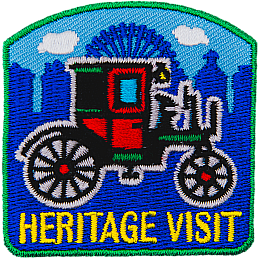
This summer, take your group to a local heritage site to learn about where they come from. This is an excellent opportunity to earn one of our heritage badges, such as Pioneers, Heritage Sleepover, and Heritage Visit. Encourage the kids to ask questions, pay attention to details, and go at their own pace to gain a deeper understanding of the world around them.
History is messy – filled with a diverse array of good and bad aspects – so be prepared to answer questions and help them work through any issues that might arise. Part of learning about history is understanding how we can improve our daily lives, which includes recognizing wrongdoing so that we do not repeat the mistakes of the past.
Encourage your kids to read the plaques around the site, talk to interpreters and engage with all learning aspects, even if it’s pumping water up from a well. Human society has come incredibly far in even the last one hundred years, but it’s important to understand where we started to appreciate where we are now. There’s no better way to do that than throwing yourself into the past and participating – even if that means waiting for ten minutes until the train arrives.
To enhance your learning experience, encourage everyone to leave their devices at home or keep their phones in their pockets during the trip. While taking photographs, texting, and social media are tempting, they ultimately distract from the learning environment and detract from the experience. You cannot earn a badge if you don’t fully understand what you just learned. Obviously, there are emergency situations where phones should be allowed, and this rule should never be enforced in a harmful manner. But, if it is possible, use this opportunity to take a screen break! Who knows, you might start turning all your activities into a screen-free environment to foster human connection over technological reliance. Humans survived for hundreds of years without phones; you can too.
Heritage sites often have a lot of activities you can interact with, from butter making to riding the train to feeding farm animals. Earn a wide variety of badges from our site by completing a large variety of activities. You could even have a sleepover there to earn our Heritage Sleepover badge!

After the trip, ask the group three questions: what their favourite part was, what their favourite fun fact they learnt, and what made them uncomfortable to learn. These are important questions as they engage with the learning and give the kids a chance to think critically about their experience. We may be uncomfortable to learn about the treatment of Indigenous, POC and women throughout history, and that’s okay! It is important to recognize these feelings and talk them through to understand how far we have come and where we can go from here to continue to improve everyone’s lives. Understanding is the building block for tolerance and acceptance. Once you have talked this over, it’s time to reward everyone with a badge – they’ve earned it! Learning can be a fickle yet fun activity, so encourage them to continue to pursue knowledge by acknowledging their hard work. Patches are also a good way to capture the day's memories.
Indy Scott is our content writer! They are nonbinary (they/he) and love to customize their clothing with patches.
Subtotal 0
